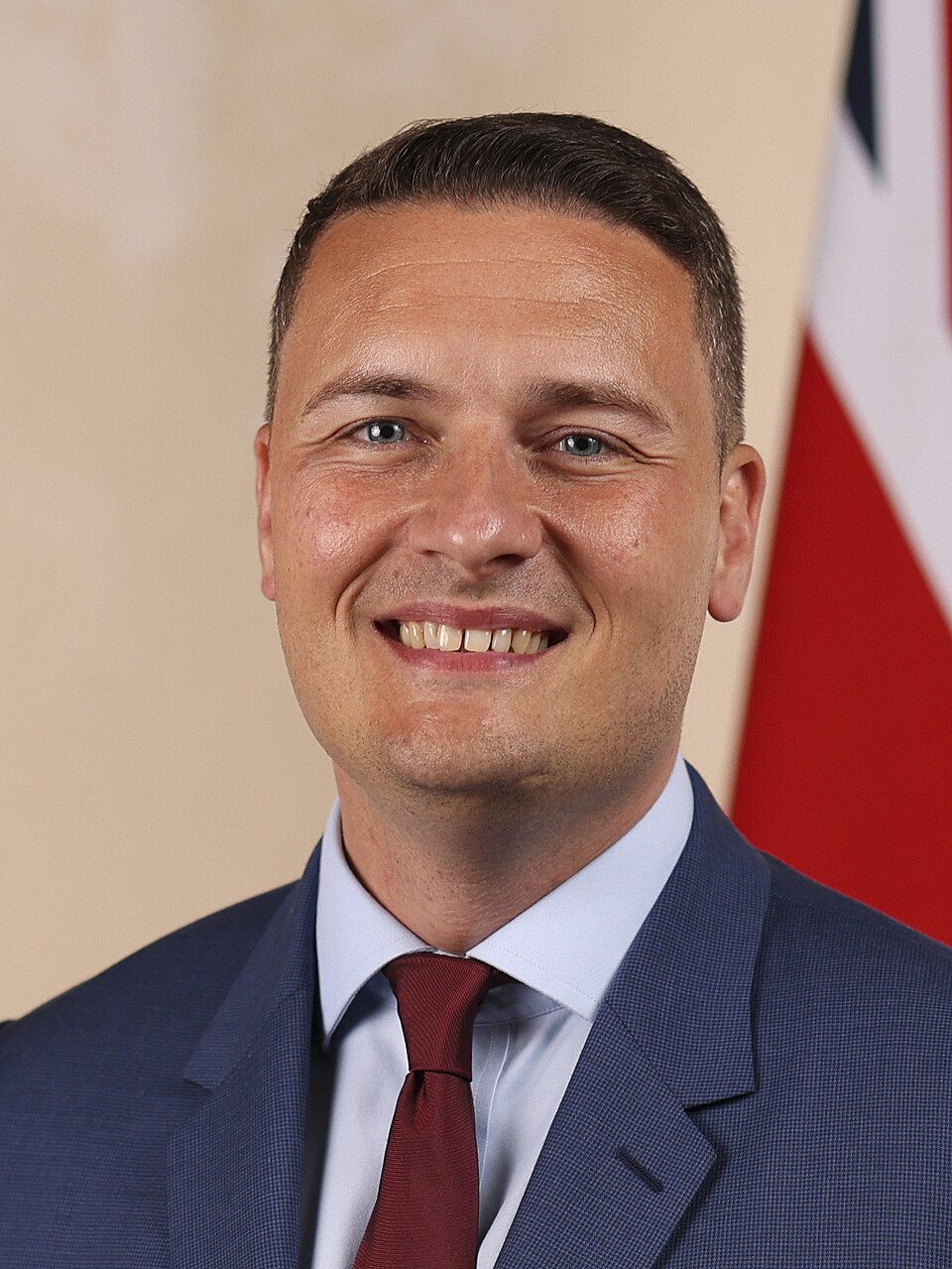
Wes Streeting has rapidly emerged as one of the most compelling and, at times, controversial figures in contemporary British politics. From a humble East London upbringing to the front benches of the Labour party, his trajectory has been nothing short of meteoric. However, beyond his ambition and sharp communication skills, it is Streeting’s identity as a Wes Streeting gay man, a devout Christian, and a cancer survivor that truly shapes his public persona and political approach. As Shadow Health Secretary, he finds himself at the heart of one of the most charged debates of our time: trans rights, which places him in a complex position within the broader LGBTQ+ community.
From Council Estate to Cambridge: The Formative Years of Wes Streeting Gay
Wes Streeting's background is a testament to social mobility and resilience. Growing up in a council flat in Stepney, East London, his early life was far removed from the corridors of power he now inhabits. Family history, too, was unconventional; his grandfather was an armed robber, and his grandmother, who also faced legal troubles, once shared a prison cell with the infamous Christine Keeler. These roots, far from being a hindrance, appear to have instilled in Streeting a grounded perspective and a deep understanding of working-class experiences, which he leverages effectively in his political messaging.
A pivotal aspect of Streeting’s early life, and one he has spoken openly about, is his identity as a Wes Streeting gay man and a devout Christian. He recounts the personal difficulties this combination presented, particularly during his time at Cambridge University. In an era where being openly gay was less accepted than it is today, reconciling faith with sexuality could be a profound internal struggle. This personal journey through conflicting identities and the experience of being bullied as a child, leading him to hide who he was, offers crucial insight into his later advocacy for "safe spaces" and "understanding ears" for LGBT+ individuals.
His ability to navigate these personal challenges and secure a place at Cambridge, a bastion of privilege, underlines a determination that has become a hallmark of his political career. It suggests a character forged in overcoming obstacles, a quality that resonates with many voters seeking authentic leadership.
Political Ascent and the Shadow of Leadership
Streeting’s rise within the Labour party has been swift and strategic. The moment he boarded a plane to Israel on May 9th, 2022, while Labour leader Keir Starmer faced "Beergate" allegations, marked a turning point. Despite Streeting's public defence of Starmer, vowing not to "flash some ankle" for personal gain, the spotlight inevitably turned to him as a potential successor. Bookmakers quickly installed him as the second favourite for Labour leader, trailing only Manchester Mayor Andy Burnham, cementing his status as a serious contender for future leadership.
His political style and policy positions have drawn comparisons to Tony Blair's New Labour era. Seen by admirers as the moderate future of the party, Streeting is praised as an effortless communicator who instinctively understands the concerns of the working-class voters Labour has struggled to win back. Peter Mandelson, a co-architect of New Labour, remarked that Streeting "doesn’t need a focus group to tell him what the public thinks because he feels it himself." This intuitive grasp of public sentiment, combined with his bullish stances on policing and defence and a more relaxed approach to the private sector, positions him as a pragmatist rather than an ideologue.
However, these very qualities alienate some on the Labour left, who view his policies as too close to the Conservatives'. The tension between his moderate appeal and the party's socialist wing is a significant factor in his ongoing political narrative. His role as Shadow Health Secretary also carries added weight, given his personal experience battling kidney cancer just over a year prior to his significant trip to Israel to study health technology. His public recovery and advocacy for the NHS lend a personal dimension to his policy work, making his calls for improved patient care and healthcare outcomes particularly poignant.
Navigating the Trans Rights Debate: A Complex Intersection of Identity and Policy
It is in the charged arena of trans rights that Wes Streeting's identity and political ambition intersect most controversially. While he has consistently expressed personal upset at the worse health outcomes faced by LGBT+ people – a sentiment deeply rooted in his own experiences of being a
Critics argue that Streeting is systematically eroding healthcare access for trans people, siding with "gender-critical" views, and embedding policies that disadvantage one of the UK’s most persecuted minorities. They suggest that his approach is a cynical political calculation, aimed at appealing to voters drifting towards more conservative parties like Reform, rather than a genuine commitment to the entire LGBTQ+ spectrum. The accusation is that he is "sacrificing trans lives" to build his political career, creating a stark division within the broader LGBT+ community that he otherwise purports to represent. Understanding the Nuance: The debate around trans rights is fraught with complexity, and politicians like Streeting find themselves attempting to bridge seemingly irreconcilable positions. Here are some insights into why this issue is so challenging: This debate highlights the immense pressure on public figures to navigate identity politics, especially when their own identity intersects with, but does not fully encompass, the experiences of all members of a diverse community. For Wes Streeting Gay, this means facing accusations of hypocrisy from parts of the community he claims to champion, a deeply uncomfortable position for an ambitious politician. Wes Streeting’s journey from a working-class background to a prominent role in national politics, coupled with his openness about being a Wes Streeting gay Christian and a cancer survivor, paints a picture of a complex and determined individual. His political ambition is undeniable, and the comparisons to Tony Blair suggest a potential path to leadership that could redefine Labour for a new generation. However, the controversies surrounding his stance on trans rights present a significant challenge. For him to truly lead and unite the Labour party, and indeed the country, he will need to demonstrate an ability to navigate these contentious social issues with genuine empathy and a coherent vision that extends beyond perceived political expediency. His future hinges not only on his ability to appeal to a broad electorate but also on his capacity to reconcile the diverse and sometimes conflicting demands of identity politics within his own party and the wider society.
Looking Ahead: The Future of Wes Streeting